
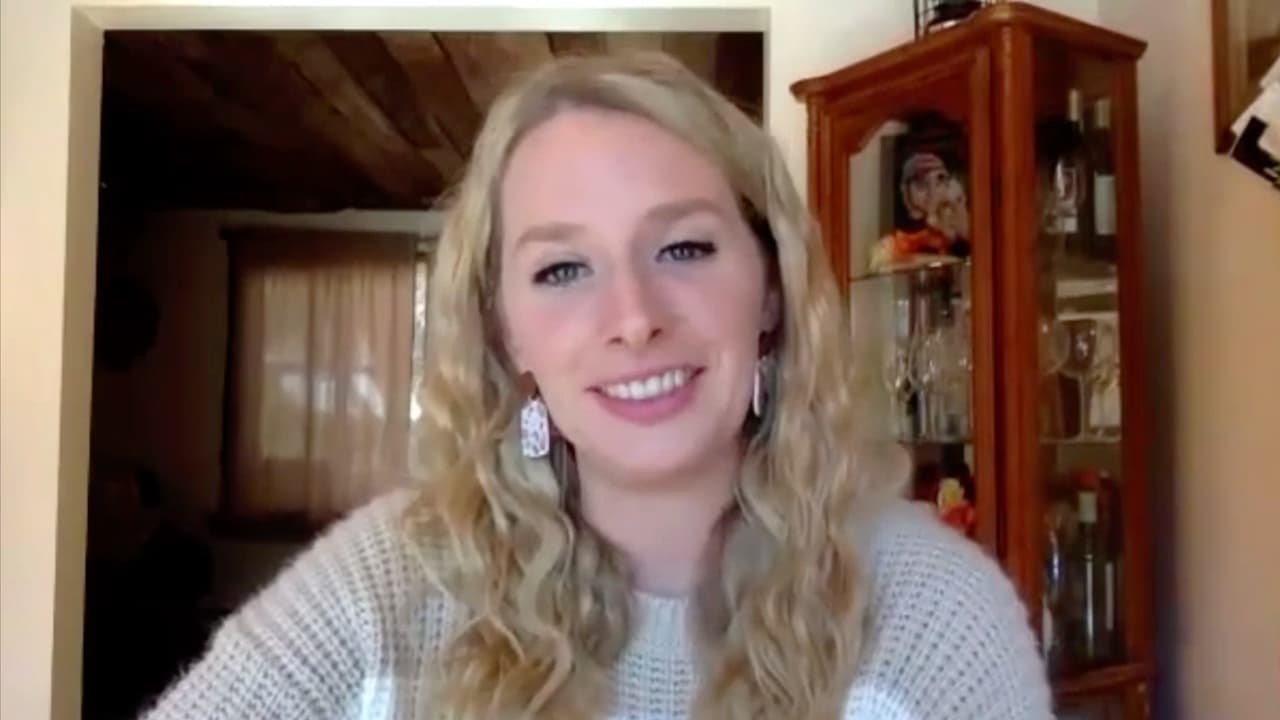
Courtney’s experience with insomnia didn’t start overnight — but when it hit, it hit hard.
Looking back, she could see some early signs. As a child, she was sensitive to her environment. New places, travel, small changes — sleep didn’t always come easily. But it wasn’t something that took over her life.
That changed in 2020.
With a new baby, the stress of the pandemic, family tension, and untreated anxiety, everything began to build at once. Then the nights started to change. She began waking up in the early hours of the morning, wide awake.
At first, it was confusing. Then it became frightening.
The moment she noticed she wasn’t asleep, panic would take over. Her heart would race. Her body would react as if something was wrong. Nights became something to fear. Sleep became something she felt she had to make happen.
She tried everything — supplements, routines, changes to her environment, and eventually medication. But nothing brought consistent relief.
Her days started revolving around sleep. Avoiding things. Planning everything around the night ahead. Trying harder, doing more — all in the hope that sleep would finally come. But the harder she tried, the more difficult it became.
What began to shift things for Courtney wasn’t another strategy — it was a different way of understanding what was happening.
A realization that nothing was broken. That her body already knew how to sleep. And that the struggle itself might be what was keeping her stuck.
From there, things didn’t change overnight. It took time. Practice. Setbacks. Learning how to respond differently to difficult nights and the thoughts and feelings that came with them.
But slowly, something began to change. She started trusting her body again. Sleep became less of a battle.
And instead of her life revolving around sleep, she was putting more of her energy into the things that mattered to her each day — and insomnia lost its power and its influence.
Subscribe: Apple Podcasts | Spotify | Amazon Music | iHeartRadio | Podchaser | TuneIn
Transcript
Martin: Welcome to the Insomnia Coach Podcast. My name is Martin Reed. I believe that by changing how we respond to insomnia and all the difficult thoughts and feelings that come with it, we can move away from struggling with insomnia and toward living the life we want to live.
Martin: The content of this podcast is provided for informational and educational purposes only. It is not medical advice and is not intended to diagnose, treat, cure, or prevent any disease, disorder, or medical condition. It should never replace any advice given to you by your physician or any other licensed healthcare provider. Insomnia Coach LLC offers coaching services only and does not provide therapy, counseling, medical advice, or medical treatment. The statements and opinions expressed by guests are their own and are not necessarily endorsed by Insomnia Coach LLC. All content is provided “as is” and without warranties, either express or implied.
Martin: Okay, Courtney, thank you so much for taking the time out of your day to come onto the podcast.
Courtney: Thank you very much for having me on.
Martin: It’s great to have you on. Let’s start right at the beginning as always. When did your sleep problems first begin, and what do you feel caused those initial issues with sleep?
Courtney: So I think what caused the insomnia battle that I dealt with was some background things that got, had, had gone on in my life. For example my mom has always struggled with sleep, so I have wondered if there’s a genetic component to that. Even as a kid, I’ve just always been more sensitive to my environment.
Courtney: For example if I went to a friend’s house, I wouldn’t sleep very well. There was times I’d have my mom come and get me because I wasn’t sleeping. Probably get really anxious if the, if we’re traveling, I don’t sleep well, if the room is too hot, I don’t sleep well. Just things like that. Just very sensitive to shifts in my environment.
Courtney: And then in 2020 is when I began my battle with insomnia. What also added into that was just some unhelpful beliefs about sleep that I just picked up from the media.
Courtney: For example, like I feel like there’s a lot of times that they’ll do a study or they’ll release an article that doesn’t tell the full story, but is enough to cause fear in you about insomnia. So for example, if someone doesn’t get seven to nine hours a night, that could lead to whatever catastrophic thing or.
Courtney: Insomniacs are, you know, shown to struggle with, you know, fill in the blank there. So I had that kind of fearful mindset already. And then yeah, you just add in. My husband and I had our first child in 2019. Around that time I was struggling with an un untreated anxiety disorder, and I was trying to muscle my way through that.
Courtney: And then, as you know, the years progressed. We had some family and relational tension and my husband has some job changes due to the pandemic that happened, let alone the pandemic itself and the fear around that. So there was just a lot of lifestyle changes at that time that I think I had a hard time with, and I just never slowed down to kind of process that or make space for that.
Courtney: And I think my body was trying to communicate that to me through anxiety, but I just didn’t slow down to listen. And then it, it. Overflowed into a, a sleep disorder or insomnia right around 2020. And I’ve struggled with that for quite a few years and finally I’m in a better place where I feel like I can talk about it having been on the other side of it.
Martin: So it sounds like for you, concern or a focus or issues with sleep was always something that was kind of with you, maybe perhaps more in the background. It would show up every now and then, but then in 2020 around then there was lots of change going on. Lots of stresses, lots of different stuff happening and so the sleep issues resurfaced, but this time it felt different.
Courtney: Yes. There was just a few nights that I started waking up at like 3:00 AM just wide awake. And I was like, huh, this is weird. And then it started getting more and more frequent, and there was a few nights that I did not sleep at all. And what shifted was my focus on it and my fear around it. So I started becoming very fearful, like, what is wrong with me that I can’t sleep? So as that fear grew, I started to become more fearful of nighttime.
Courtney: And it was on the week of Halloween. There was a few nights that I, I didn’t sleep at all. Like, I would lay down at night and I, I lay there for maybe about 15 minutes or so, and it’s like, as soon as I was aware, oh, I’m not sleeping yet, I would instantly have a panic attack. I mean, I was sweating, my heart was racing.
Courtney: I was in full panic mode. I had my, I called my dad up ’cause he lives, you know, nearby. And my husband stayed with our son and I had him take me to the emergency room at about 3:00 AM just panic stricken.
Courtney: And I didn’t even know, I just, I needed help and I didn’t know where to go. So he took me there and I mean, I went in and I was just like, I just can’t sleep. I, I can’t sleep. And I’m sure they thought. You know, I was on something ’cause they ran a full drug screen and of course that came back clean. I was just panic stricken, severe anxiety.
Courtney: But it probably looked to them like I was taking a stimulant of some kind. ’cause how else, like, would I end up there? Not able to sleep. But unfortunately, like they didn’t really have any answers for me. I remember talking with the nurse and just telling her my story and she acknowledged, she’s like, you’ve been through a lot of life change and, you know, that can contribute to this.
Courtney: But there was no real like, help. I think they gave me two Benadryl and I think that made me doze off for an hour in the ER while I was waiting to be discharged. And I think that only came from the fact that they were treating me for something like they were taking care of me. So I feel like I could like come down a little bit and then went home and I don’t think I slept the rest of the night after that.
Courtney: The next morning I think I crashed on the couch for maybe an hour, and then the following Thursday, I ha ended up having my husband take me into the emergency room. ‘Cause we had stayed at my parents’ house that night and so they were with my son and my husband took me in and I was again just begging them to help me sleep.
Courtney: Prior to that I was able to get in with the local psychiatrist’s office and I think I went to them that Thursday and, you know, they gave me medication and they gave me an anti-anxiety medic medication. And then also she called it a heavy hitter sleep medication. I think it was Restoril, which is an older generation drug.
Courtney: And I was like, okay, this will do it for me. And she was pretty confident. She’s like, well, you know, put you on this for a very limited time, maybe two weeks. And we’ll see how that goes. So I went home that Thursday night and I took it and it didn’t help. And I, so I can’t even tell you the fear, the shame, the confusion of, they gave me a heavy hitter as she put it, sleep medication.
Courtney: And that was not enough to help me sleep. So hence, I, I ended up back in the ER and all they could do was give me another dose of that, just because I think you were allowed to take two and that was the maximum. So I, from then on, I was taking the maximum dose of that much longer than the two weeks. And so I felt completely just weak, broken alone, confu, I mean, anything you can think of in a dark season like that, I felt it because I was like, this is not helping.
Courtney: Like this is the strongest that they have and this is not enough to knock me out, like, what is wrong with me?
Martin: Well that was a really difficult situation that you were going through. And so the way it sounds like it was different, apart from the obvious in terms of the visits to the emergency room, was when the sleep issue showed up.
Martin: This time around, they, they felt different. Like you were waking up during the night and sleep just wasn’t getting back on track like it was in the past. So that led to some understandable concern ’cause you’re a human being. But then the more that concern raised. Perhaps there was like more pressure to make sleep happen, more effort to make sleep happen more trying.
Martin: And then that in turn just made it more difficult until it reached this crescendo where you’re just kind of, you can’t try any harder. And then we’re told, well, this, this is the most powerful medication we have. This will make sleep happen. And when that isn’t working, especially after you’ve been told that, then you’re feeling really alone out of options.
Martin: Confused, scared, as you said, you can feel broken and it just makes it just even so much more difficult and scary.
Courtney: Yes. And so what even made it worse was I was back in the psychiatrist’s office a few days later and I think she was very concerned that I had to take the maximum dose. And that it wasn’t helping.
Courtney: So on top of that, on top of the anxiety medication, on top of the heavy sleep medication, she prescribed a anti-psychotic, not because I was psychotic, but because it was also used off-label as a a sleep to induce sleep. So she’s like, maybe this com, you know, combined with the Restoril, will help you go back to the one pill, the one dose, and then you don’t have to take the two.
Courtney: We can get you off of it faster. Well, I wish that was the case, but I still had to take the two, I had to take the anti-psychotic and I was on it longer than the two weeks. So then that snowballed into fear of dependency on the medication. And I will say I was dependent on it because it got to a point where if I even thought, okay, maybe I can try to not take it tonight, I would instantly have anxiety.
Courtney: So. After, after, you know, the, the hospital trips and the trips to the, the psychiatrist, I, the medicine did help temporarily. There was a couple nights that knocked me out for like 10 hours. So I was taking everything that they gave me and I, I got some sleep, but it was like, one night would be 10 hours and then the next night, you know, I might get four hours and then another night I would make that up, like my body would sleep longer.
Courtney: So it was kind of like a rollercoaster of sleep. I just had the hardest time getting balanced again.
Martin: So it sounds as though you felt just really dependent on all these different medications. But at the same time you felt that this was just unsustainable, like continuing to take this much medication, especially when it wasn’t even generating consistently good sleep for you.
Martin: But as far as you are concerned, you had no other options.
Courtney: Exactly, yes. And so it was hard because the, the other feelings, it wasn’t just about the sleep anymore. So there was nights that I would get up and just go for a walk around our neighborhood at like 3:00 AM And I, I remember thinking, this is like so weird how like, physically I am up walking in the dark when everybody else is asleep and I should be asleep, but I can’t.
Courtney: And then emotionally I’m in the same place. Like I’m dealing with something that no one around me knows what to do with. I, you know, I remember talking to family and friends and even my husband just like, you know, they were telling me, oh, have you tried melatonin? Have you tried lavender? Have you tried CBD oil?
Courtney: And I’m like, yes, I’ve done all of it. But they just, they don’t know. And I remember my husband saying maybe try not to think about it. And so then I’m like, okay, maybe he’s right.
Courtney: Maybe I just need to not think so much about it. And that’s when I was, I lay down at night and I would try to control my thoughts and I would try to, I started changing my environment because I was of course researching everything, being a problem solver. And I’m like, okay, so I need to, you know, wear the blue light glasses.
Courtney: I need to not drink coffee afternoon. I need to do all, all of the things that, you know, I’m sure many people have talked about with you that you’ve discussed on your channel that other people have done. Like I did all of them, but the intention behind them was to induce sleep. So every time I did those things, it backfired.
Courtney: And I think those things are, can be helpful if you’re trying to relax your body. If you’re trying to. I was actually just talking to my dad about this. He asked me about like a, a sleep supplement. I’m like, well, if you’re trying to, you know, support your body, great, but I think it can backfire. If you’re trying to induce sleep, if the goal is to make yourself sleep, that can be very problematic.
Courtney: And that was my case. So it was just a very lonely place of people suggesting things and telling me things, and I’m like, I’ve done all of it. None of it works. Something’s wrong with me. Like I, I remember thinking my, something in my brain must have just broke. And when you look online about insomnia outside of the community that you have created, there’s not, there’s nothing that’s helpful.
Courtney: So it was just, it was a very lonely place of trying to navigate this until I came across your channel.
Martin: You made an insightful point there that all the things that you did for as long as the intention was to make a certain amount or a certain type of sleep happen. It was going to backfire because sleep is out of your direct control.
Martin: But when you were going through this struggle, was, was that insight present? Like did you realize at the time that the more your intention was focused on trying to make sleep happen the more you seemed to struggle? Or was it more of a case of I’ve just gotta keep trying, sooner or later I’ll find something that works.
Courtney: Yes. So initially I think I was just so frazzled that I was trying anything and everything, and I mean, I, it took me quite a while to come across your channel. I was looking at different, I was researching things, I was looking at different videos and for me personally, my faith is very important to me.
Courtney: So I was looking thing, looking for things through that lens. And the first thing that I came across that was even a little bit helpful was there’s, there was this guy who was talking about his struggle with insomnia, and he talked about the importance of surrender.
Courtney: And just for him, you know, he talked about just surrendering everything to God and giving up and not trying so hard. And that was enough for him. And I’m like, okay, I can, you know, I can do that. I can surrender. And, you know, I did have a night where I was like, all right, you know, if I’m never gonna sleep again, I can’t help it.
Courtney: Like, I, I give up and, you know, but for me, and that helped for a little bit. The surrender or the acceptance did help for a little bit. But for me, I just, I needed more information. I’m someone who, I, I love to know the why behind why I’m doing things. I love to, you know, learn as much as I can. And so when I finally stumbled across your channel, you explained everything with the why behind it, why in insomnia develops, why your body’s doing what it’s doing, why your efforts are failing.
Courtney: And I’m like, okay, this is, this is filling in the gaps that I have needed in order to move forward.
Martin: Mm. So perhaps it’s education, perhaps that educational component of it. A greater understanding of where insomnia comes from, what keeps it alive, what gives it power and influence just felt reassuring.
Martin: Now things started to make sense for you. Maybe you didn’t feel broken anymore. You realized that you weren’t broken, you were just stuck. And I think you made a good point too, because when we hear people talk about surrender or acceptance. That, that can be a new option that’s available to us. And like you said, you experimented with it but without that kind of understanding on, you know, why is this helpful?
Martin: How is this helpful? It can make it harder to commit to that kind of approach.
Courtney: Exactly, exactly. And so it was frustrating because like, everything that I was looking into felt like just a bandaid. And it, it, it was hard because the things that I was doing was not helping, like, it wasn’t addressing the root cause.
Courtney: And, you know, I, I did everything I could. I had, there were nights my husband would stay up with me to talk with me. I had people praying for me. I was praying about it, like trying all the supplements and nothing like, you feel just helpless. You’re like, I’m doing all the right things. And in my mind, or in the way we’ve learned in our culture is if you try harder.
Courtney: You will get results. Well, I’ve learned with anxiety and I’ve learned with insomnia, the opposite is true. The harder you try, the more your body’s like this is not gonna work very well. So it took me a while to get to that point, but I feel like once I did there was so much more freedom and I was able to take that pressure off.
Martin: One thing that you touched upon earlier was how this wasn’t just an issue at nighttime, it would also be present in the daytime as well. When you were still tangled up in this struggle, how was this affecting your days?
Courtney: It consumed my thoughts. So in the morning, okay, so for example, nowadays, like if I’m having a rough day and maybe I didn’t sleep well, I will tell my husband, Hey, you know, I’m having a rough day.
Courtney: I didn’t, I maybe slept, you know, four or five hours, just bear with me. But back then. I would get up in the morning and be like, telling everybody, oh my gosh, I only slept two hours tonight. Last night I only slept an hour. I didn’t sleep at all. I was telling anybody and everybody just desperate. And my entire day looked like cultivating the day to support the night.
Courtney: So not drinking coffee after noon, as I mentioned. Not over exerting myself because I didn’t wanna overstimulate myself to keep myself awake at night. There were times I stayed at home more often and just kind of avoided the things that I normally enjoy. I started worrying about what I was eating.
Courtney: I started worrying about like how much screen time I had. I started worrying about how much I was outside. You know, anything that you can think of. Like I was doing all of that in order to try to provide myself the best opportunity to sleep that night. And it never worked.
Martin: It’s almost like sleep or insomnia was in charge of your decisions each day.
Martin: And so all your actions were intended to serve sleep rather than serve you and the life you wanted to live. And so not only was this kind of maintaining that struggle because none of that stuff really had much influence on sleep anyway, but it was making things even more difficult because then you’re getting pulled away from doing the stuff that’s important.
Martin: Doing the stuff that matters, like through no fault of your own because you’re a problem solver, you’re trying to fix this. But it’s just a, a really clear illustration of how easy it is to get pulled into this struggle. And to find it consuming your attention, consuming your life, and just becoming increasingly more difficult the more you try to deal with it.
Courtney: Yes, exactly. And it’s, it is just, it’s crazy how you can’t, like, you can’t even help it. It’s not like you’re intentionally trying to do that. You’re just trying to survive in that moment, and that’s what happens. Unfortunately, that’s the opposite of what needed to happen. So it’s just, it’s, I wouldn’t wish it on anyone.
Courtney: It is such a confusing and lonely and just disorienting space to be in when you’re struggling with insomnia to that level. And then on top of that, it took me a while to realize that like the, the brain fog or forgetfulness or irritability or whatever I was struggling with during the day wasn’t necessarily because of the sleep that I lost.
Courtney: It was because of the anxiety that was consuming me as well.
Martin: Yeah, it’s, it’s just so difficult, isn’t it? Um, You mentioned that you listened to a podcast episode where someone talked about moving away from the, trying, from trying to make sleep happen, and that kind of prompted you to explore a new approach.
Martin: So as you dove into that, and now as you reflect on that journey, what were some of the changes that you made to your way of approaching sleep and responding to insomnia and other thoughts and the feelings that can come with it that helped you move away from the struggle and got you to where you are today?
Courtney: So definitely the education behind your videos, like the, the early videos that you’ve posted. I found that so helpful because I remember it was like a big breath of fresh air when you said something like insomnia is not the same thing as sleep deprivation. Therefore it doesn’t have the same effects and.
Courtney: The second thing was your body is wise in that it will make up the sleep that you need through deep sleep. And even if you’re not getting the full eight hours that you would like to get, your body’s going to get the sleep then it needs. So it allowed me to kind of take a step back and be like, whoa, if I just, if I just let my body do what it is designed to do, maybe I can get back on track.
Courtney: And so, yeah, just the, the, the initial moments of just surrendering to that and letting go and trusting the physiologic, the physiology of my body is what helped me to kind of loosen my grip a little bit. But I will say unfortunately for, well, in my mind, unfortunately it took a lot longer than I would’ve liked it to.
Courtney: I would call that week of no sleep traumatic for me. I, I don’t use that term lightly, but I say that because I’ve come to learn that our bodies keep the score of things like they remember. And there are nights even now, you know, five years later where if I, I’ll be okay for a night or two, but if I go a little bit, you know, maybe three days more of just struggling, those, those fears start to creep back in.
Courtney: And my body, it’s almost like I’m back in 2020 and I’m like, oh, okay, are we going back here? And that’s where, you know, for me, it helps to get out of bed to kind of separate myself from that environment and then go back downstairs. And I found coloring before bed during those times to be really helpful.
Courtney: So I’ll get like an adult coloring book with like, you know, the intricate designs and I will sit there and color and that calms my body down. But allow, it also allows those thoughts to just be there, but I don’t have to pay attention to them. Something else that has been helpful is if I’m really struggling with like thoughts, I would just get my phone out real quick and I will just journal ’em.
Courtney: I will just type ’em all out and there’s been nights I can’t even finish, finish journaling before I fall asleep. So there’s different, you know, tools and things I can do now to support myself to not go back to that place. But it took me a very, very long time. And a lot of, you know, I’ve heard the term relapses or setbacks or however you look at it, you can look at it as like, okay, this isn’t just another opportunity to take care of myself.
Courtney: This is another opportunity to try to implement what I’ve learned and grow and teach my brain through behavior that I can move past this point. You know, I don’t have to go back to 2020, but it, it takes a long time. At least it did for me.
Martin: Yeah, absolutely. I always like to think of this different approach as being skills-based.
Martin: And so like with any skill, it’s gonna take time to get better at that skill, and it’s gonna require a lot of practice, a lot of ongoing practice. And there are gonna be times where it feels that that practice is useful and helpful. And there’s gonna be times when it feels like that practice isn’t doing anything.
Martin: But what matters is just continuing to get the practice in if developing this new skill. Is important to you. And I like how you shared the, the educational component of it was just so reassuring that you learned that you don’t need to intervene with sleep. Like you don’t need to do anything to make it happen.
Martin: Your body wants to take care of that by itself. So that just immediately takes so much of the pressure off, right? You don’t have to do anything anymore. With that, once you’ve got that understanding, I mean, is that, is that what that felt like for you?
Courtney: Oh, yes. And it’s interesting how like. And the health circle of things like, you know, sleep gets grouped in with like, if you want to eat healthier, do all these things.
Courtney: If you want to exercise, do all these things. If you wanna be healthier, do all these things. And then sleep gets thrown in there, like, make sure you’re getting your seven to nine hours. Make sure you’re practicing sleep hygiene and it gets grouped in there. But that’s the only thing that doesn’t work with effort.
Courtney: So it took me a long time to unlearn that, that okay, sleep’s the one thing I can just, you know, take, take my hands off of it. And I found that to be true with other people that I’ve known. It seems like the best sleepers I knew were the people that like could sleep by the, like my husband could sleep by a campfire outside, like, no, doesn’t need anything.
Courtney: And so it’s those people that don’t even try that seem to sleep the best.
Martin: Yeah. And that’s another great insight, isn’t it? Is just looking to what other people are doing. Especially those people that seem to have no issue or concern around sleep. They get great nights almost every night. What are you doing to make that happen?
Martin: You ask that question, you kind of get this dumbfounded look right as they try and figure out what they’re doing, because the answer is they’re not doing anything. They’re just setting time aside for sleep to happen, and that’s it. So perhaps all this messaging around sleep, you know, get seven to nine hours of sleep.
Martin: Maybe it should be make time for sleep, you know, make sufficient time for sleep. The issue is the people who are reading that kind of advice are the people who are struggling with sleep and then, and people with insomnia are often allotting even more time than necessary for sleep. And then setting themselves up for more wakefulness at night.
Martin: So it’s, it again, it’s just so easy through no fault of our own, to just get pulled into this struggle with the kind of messaging around sleep that is predominant.
Courtney: Yes. Yep. And then you add in the, the, like the fear behind it. Like the fear-based, if you don’t do this, this will happen. So then you feel even worse.
Courtney: Like if I don’t, if I don’t get sleep soon, something bad’s gonna happen to me. So that’s why like during that week, I remember at one point I told my husband, I’m like, I just want them to admit me to the hospital. Check me in, send me up to, you know, the mental health floor wherever I need to go, and just, can they just knock me out?
Courtney: Can I just sleep? Just to get, you know, get back into sleeping again. Because I thought if I don’t do that, I’m, my health is gonna self-destruct. Like this is harmful to my body, which puts you into fight or flight even more. And then, yeah, just the shame of, like I said, like walking out at night and looking around at the world and it’s dark and everybody’s sleeping and you’re like, what’s wrong with me?
Courtney: Like, something’s wrong with me, that I’m not like everybody else, that I can’t sleep. And so that’s a whole nother component to this is those thoughts that creep in when you do lay down at night. And for the longest time I was just trying to control them. Like, don’t think about that. Think about something else.
Courtney: Like try to be calmed down. I was trying to breathe, you know, do all the things and I learned, you know, through, you know, your resources that just letting those thoughts be there and let ’em float away, you know, just don’t get too over involved with them. That can relax your body. So you can go to. And then, yeah, another thing that was kind of counterintuitive was the sleep restriction, but that I think had the biggest impact for me is because I was trying to allot aot of time for sleep, but I was going to bed at like nine o’clock and I’d lay there for an hour and a half and that would just increase the anxiety to where I’m like, okay, what’s the minimum sleep I can get?
Courtney: And so I would go to sleep at like, or I’d go up at like 10 or 10 30 when I noticed my eyes were actually drowsy and I would lay there and some nights I would fall right asleep. If I didn’t, I got back up and came downstairs. But that is what helped me to actually be tired enough to go to bed. But again, the message is, well, you have to, you know, you have to make sure you’re getting enough sleep, so you have to go to bed early.
Courtney: And it just, it creates such a mess for people. I, ugh, I just feel bad for anyone going through it right now because I know I, I’m not too far removed to forget what that feels like.
Martin: Absolutely. And it comes down against that theme of the more we chase after sleep, the more elusive it becomes.
Martin: You mentioned that one thing that was really helpful for you was to open up a little bit more to whatever thoughts and feelings were showing up compared to trying to fight them, avoid them, resist them, control them, reason with them or anything else with them. And I think the, for a lot of us, this idea of opening up to what can be really scary, difficult, and uncomfortable thoughts and feelings can itself feel really scary, difficult, and uncomfortable.
Martin: What was your experience like with that? What showed up for you when you first heard of this approach of opening up to this, these really difficult thoughts and feelings?
Courtney: Oh my goodness. I just, I instantly flashed back to just laying there in bed with all these crazy thoughts in my head, but making time to allow that.
Courtney: And I just remember thinking like, oh my goodness, if I do this, like, I’m gonna end up even worse. Like, I’m gonna end up even further into insomnia if I allow all this, all these feelings, and I don’t do something to try to calm them down. And it, it makes so much sense because as I’ve learned with anxiety slash insomnia, it’s that the more you try to control things, the worse it gets.
Courtney: Because your anxious response is to get you to do something like it. Your body thinks it’s in danger. So the more you respond with trying to grab a hold of it and like do something, it’s gonna get worse. Where if you just kind of say, all right, I’m okay. I’m gonna lay here as uncomfortable as I am.
Courtney: This is terrible, but I’m just gonna lay here and let them be. I’m gonna let these feelings be here over time they do pass. So it took, again, it takes time. I still have to practice that, but I’m much better at it than I was. But it does take time.
Martin: it is definitely an ongoing practice. I think to get better skilled in experiencing the full range of human thoughts and feelings with less resistance making space for them to exist. I’m curious to hear from you what that first night or what the first few nights were like when you tried to practice this new approach of making space for that stuff to show up compared to that default response of resistance.
Courtney: So it was. It was very, again, I would say a rollercoaster in those hours of like, you know, 10 30 to seven or whatever, I was in bed. Like initially I would be like, okay, this is uncomfortable, but I’m gonna try this. And I would try it and I would fit, I, I would feel myself relaxed and I would calm down. And then a new thought that would really jar me would come in or a new feeling.
Courtney: And I’d be like, and then I’d have to do it again. So it was constantly, constantly grabbing a hold of those thoughts and being like, okay, you know, I’m just gonna let this be here. I don’t have to believe this, you know, this is what my body’s feeling, but my brain. And it helped for me to separate myself a little bit or create some distance between my, my identity and my brain.
Courtney: Like my brain is the one, you know, churning out all these crazy thoughts. ’cause my body doesn’t feel safe right now. And that’s okay. That’s okay. But I am safe. I’m just gonna lay here. That would work and then I’d have to do it again. So it was a lot of rep repetition over and over. It wasn’t like a one and done, like tonight’s the night, I’m gonna challenge my thoughts or allow them to be there, or you know, breathe and calm down and I’m good.
Courtney: It was repetition over and over again.
Martin: That’s where I think a lot of us can give up because we can still have that, whether it’s, maybe it’s a little bit hidden away in the background or more of a covert goal of I’m practicing this in order to get rid of these thoughts and these feelings. So every time they kind of pop back you’re like, ah, this isn’t working.
Martin: So I’m curious to hear from you with that very common experience of, I opened up to the thoughts, they felt like they were starting to lose their power. I got a little taste of how this could be helpful, but then again, another one would come in and I’ll be back to square one again. What prompted or motivated you to keep up with that practice to feel as though this was an approach that you wanted to commit to and develop skill in?
Courtney: I would see incremental progress. Like I would see little glimmers of hope that I was working my way out of this. So, for example, like I said, with the emails, like I did see through the, the email practices I was putting into place, I would see incremental progress there. And I would do that with the thoughts as well.
Courtney: And then there was a point where I, I just kept going back to, well, I can’t go back to the way it was because that got me nowhere. So there were weak moments where I’m like, I just needed, you know, I need to go back to trying harder, trying all the things, or maybe I should try different sleep medication.
Courtney: And I would be like, well that didn’t get you anywhere. That’s not getting to the. So I think I would love to say it was this big, profound moment of like, breakthrough, but it really was just incremental progress that I saw in myself. Like I’ll never forget the one night I was sitting on the couch and I was drowsy because I had implemented sleep restriction and I was color, I was doing something calming before bed.
Courtney: My husband and I had the TV on. I was just coloring and my eyes got drowsy. And I was like, normally at this time I’m getting hypervigilant. Like I’ll be tired during the day, but then nighttime comes and I’m wide awake. So when I got drowsy, that gave me hope. And so there were more things like that that happened along the way.
Courtney: And then I remember nights where the thoughts weren’t as bad and I was like, okay, here’s my next step. So I, I saw little bits of progress along the way that kept me going.
Martin: Yeah, you got like little hints that this was an approach that held some promise. You started to feel more sleepy as the night approached or as bedtime approached compared to more alert.
Martin: And with those thoughts and those feelings, they were still showing up. But every now and then, perhaps they felt a little bit less powerful or a little bit less influential.
Martin: We have to fight, we have to put effort into sleep. What medication can we explore? But you harnessed your experience. You drew on your superpower of self-reflection and your experience told you that that stuff doesn’t work. So. Your brain is suggesting that’s a route we should carry on pursuing. But you recognize it’s doing that ’cause it’s doing this job.
Martin: It’s doing its job of looking out for you. But you knew from experience that that approach wasn’t getting you closer to where you wanted to be, so you wanted to stay committed to this approach of less resistance and building that skill and experiencing all this stuff with less of a struggle.
Courtney: Exactly.
Courtney: Yes. And I think when you mentioned the struggle, like my laying, laying in bed at night had become a place of struggle and just it felt like I was battling all night with my mind. And so I tried to make a point of not making my bed that place anymore.
Courtney: So when I’m having those nights, I get outta bed and I come downstairs and I’ll journal or color or what have you, and try to do all that there, and then go back to bed when it’s calmer.
Martin: So you withdrew from the battleground when you found yourself getting pulled into that fight. And this is another thing that some people can struggle with because they’re like, should I get out of bed?
Martin: Should I stay in bed? And my answer is always, well, it’s really up to you. It doesn’t matter if you stay in bed or get out of bed. What matters is, are you engaged in a battle? And if you are, how might you withdraw from that battle? So you might want to color or read or watch TV in the living room, or you might want to do that in bed.
Martin: It really doesn’t matter. What matters is you’re awake and you’re not fighting. You’re doing something other than battling away, struggling more, making things more difficult.
Courtney: Yes. And that, you know, there’s that. I’ve read that somewhere. There’s a rule, you know, you don’t use your bed for anything but sleep because you don’t wanna create an association.
Courtney: Well, on good nights, I can color in my bed, I can watch a show. I can read and I, there’s nights I can’t even get through a paragraph and I set it down, I’m out so I can, I can do activities in my bed and not associate it with anything.
Courtney: But the night that, like you said, it is a struggle, I gotta get out of bed. I gotta go do that somewhere else. Because that is part of, I, how I think that that habit became created with insomnia is I would lay down at night in instant panic because my body was like, well this is, this is associated with the panic place.
Courtney: You know what I mean? So that was a learning curve too.
Martin: Yeah, absolutely. It, listening to you share that experience, really, you kind of just played around with some of this, this stuff, right? You gave it a try with an open and a curious mind. And with this understanding. You’re thinking, I’m just gonna see what I take from this.
Martin: What am I gonna learn from this? Because we’re always gonna learn something from what we do. And so you’ve really learned what was a helpful way forward for you, and that kind of gave you that motivation or that impetus to keep you moving in that direction. So to, to bring this together, what you, what you’ve shared as the most helpful things was the educational component.
Martin: You know, really understanding where insomnia comes from, what keeps it alive. And in short, it’s really all of our attempts to get rid of it. Ironically what keeps it alive. And you also learned how easy it is to get drawn into the struggle. And so when you are struggling, it’s not because you’re broken.
Martin: It’s just because what you are understandably doing is you’re just kind of pumping insomnia full of oxygen in effect. You know, it is just kind of feeding the beast through no fault of your own. You found it really helpful to go to bed when you were sleepy, like finding it hard to stay awake rather than going to bed based on what time it was at night.
Martin: And that led to less time awake or less time awake for potential struggle. You found it helpful to be aware or to cultivate an awareness of when you were struggling at night, when you were getting pulled into that battleground and with that awareness, you then chose to respond in a different way. So instead of putting effort into sleep fighting or avoiding thoughts and feelings, you’d do some coloring or you’d do some reading and you found it helpful most of the time to get outta bed to do that.
Martin: And you found it helpful to practice opening up to whatever thoughts, whatever feelings are showing up, even though you might not want them to show up, there they are. You’re acknowledging them and you’re just allowing them to come and go to flow, to be an observer of them. And one way you did that, that you shared was you would just journal them, you would write them down, not as a way to kind of reason with them or change them, unless I’m wrong, in which case please correct me.
Martin: But just as a way to acknowledge them. And it was almost a way that you were putting into practice this idea of opening up to the thoughts and feelings, just writing them down.
Courtney: Yes. Yep. And I will say, yeah, it was both like there were nights I would journal just to get the thoughts outta my head. ’cause then they’re not spiraling while I’m laying there.
Courtney: And there were nights that I would have old fears come back, like the old thoughts that I would write them down and then challenge them. Like for example. I feel like if I don’t sleep, I won’t be able to function tomorrow. And then I would be like, well, actually that’s not true because you have had many good days on, two hours, no hours of sleep.
Courtney: And so for example, like a month ago, I had the first all night, or I’ll call it, you know, I was all night. I haven’t had one of those nights in years, but my husband and I were leaving for the airport that morning, I think at three 30. And so I was wired from packing and tra we were getting ready to travel.
Courtney: I knew I, we had our flight we had to catch. So I gave myself a lot of compassion, like, this makes sense for you. Like, you know, this is, you’re about to travel. It’s the first time we left our boys at home. So there was a lot there. Like it made sense why my body would react that way. And yeah, you know, I, I think maybe I napped on the plane.
Courtney: I don’t remember, but I tried not to pay too much attention to it and. Again, it was the first all nighter in years that I’ve had where I didn’t sleep all night long, but it was okay. Like I, we got there, we had our full day. I think I, we came back and I did take like an hour and a half nap or something, and then we went on with our evening and that night my body made up the sleep.
Courtney: So I can have really good days, like if you’re struggling with insomnia, you can have normal days, you can function fine even if you don’t get sleep. So back to the thoughts, there was a lot of thoughts that I was able to challenge with the educational component that I found through your videos, which was very helpful.
Martin: Yeah, I’m, I’m glad you mentioned that there are still times when sleep isn’t perfect or exactly as you want it to happen, because when we’re struggling, we might have that as our goal. You know, we just have a great night of sleep every single night. But the truth is that no human being has a great night of sleep every single night.
Martin: The difference now is when sleep doesn’t go as you might want it to. It’s not this huge focus of your attention. It’s not something that creates a huge, difficult struggle and pulls you away from the life you want to live. Now it’s more like water off of a duck’s back. You know, it comes and it goes, and then you are moving on from it.
Martin: It really has just lost all of its power and influence over you. And I do want to emphasize, you used the phrase self-compassion. And I think that’s huge because when we are struggling, we can be so hard on ourselves and mean to ourselves, and that doesn’t make things any easier. So giving ourselves some grace, some kindness can be immensely powerful.
Martin: You discovered that thoughts are thoughts. They’re not more than thoughts. They’re not less than thoughts. They’re thoughts. So they’re not facts. Sometimes they might be true, but sometimes not. They’re not a reflection on who you are as a person.
Martin: They’re not always an accurate prediction for the future. They’re not always an accurate reflection of the past. They’re thoughts. And so by listening to your thoughts being more open to them, it kind of came with that bonus that you were able to recognize, Hey, some of these thoughts aren’t even true.
Martin: This thought is telling me that tomorrow is gonna be a disaster, but hang on a minute. The other day I had no sleep and I had a great day, or I had a good day, or an okay day. So you notice that with that acceptance, there’s a reminder that thoughts are nothing more or nothing less than thoughts, and you’ve got that separation too between your thoughts and your body.
Martin: One thing you shared with us a little bit earlier was that as you practiced opening up, especially at first when it feels really scary, like what’s gonna happen if I start allowing these thoughts and these feelings to come in? It feels really uncomfortable. It can feel more and more intense. Then something happens, it kind of reaches a peak at some point, and then it kind of flows back down again.
Martin: And you realize that even though it can feel really scary, really threatening your body is lying in the bed or on the couch in a safe place. So even though it feels very unsafe physically, you are safe. So with that openness and acknowledgement, you also got that reminder or that awareness that your thoughts are separate from your body.
Martin: There was that detachment there, and that in turn can reduce some of their power and influence too.
Courtney: Yes, and that’s something like I think with anxiety in general or insomnia, is like for someone like me who is, like I said, a recovering perfectionist type, the type A. You can have the bar set really high to where your idea of progress or success is.
Courtney: I will never have a rough night again. I will not struggle with, you know, scary thoughts. My thoughts will balance out. I will be peaceful all the time, and that’s just not realistic, nor is that life and so much of our anxiety or other emotions or our body just responding to life. And so life is not perfect and that would be my encouragement to anyone struggling with it is maybe lower the bar a little bit.
Courtney: I had to lower it many times to where, like I mentioned earlier, my idea of progress was just when my eyes got drowsy, like nowhere near a full night of sleep. But I was just happy with that. And so you can build on that versus trying to get your thoughts to be what you want them to be. Get your body to do what you want it to do all the time.
Courtney: Because then what if that’s your standard? What happens when you do have a rough night, a couple, you know, down the road or a couple months, a couple years, for example? How are you gonna respond to that? So I even had that challenge last night. I had, you know, some troubling thoughts pop into my head and at first I was like, oh geez.
Courtney: And I was really kind of dwelling on ’em, and I’m like, wait a minute, wait a minute. Just because I’m thinking it doesn’t mean it’s true, you know, separate a little bit. So it’s still a practice. But that I think is a huge part of insomnia is the thoughts that, that come in during those late nights when you’re, you feel like you are the only one awake in the world or in your neighborhood or wherever, and it’s dark and you are alone with the loud, intense thoughts and you just feel like you’re, you’re crazy.
Courtney: You’re nuts because you can’t move past it. And really, like you said, you’re not broken. It’s just the dynamic of the situation. But you can separate and you can challenge them or write them down and. It will peak and it will, it will pass At some point. It will pass.
Courtney: In the beginning, and I’m sure anyone who has struggled with this, can attest to this, that the beginning of anxiety is such a lonely place. And you feel so alone, like I mentioned, but then you start to hear from other people, especially on your channel. And it, it’s mind boggling to me how.
Courtney: Insomnia starts and progresses is almost like a formula. Like we’re not alone because it almost plays out identically person to person, regardless of their job, where they live, if they’re a parent or not, if they’re married or not, if they’re male, female. It’s amazing to me how similar everyone’s experiences.
Courtney: So you’re, it’s not, it’s not you, it’s the insomnia, if that makes sense. Or the response to it.
Martin: One thing that you touched upon was how we’re measuring progress as we’re on this journey away from the struggle.
Martin: Because for as long as we are measuring progress on sleep or what thoughts and feelings are showing up, we might be setting the stage for more struggle because our own experience probably tells us that we can’t directly control those things. So if we’re measuring how well we’re doing against something we can’t control there’s just so much potential to still be in that quicksand and not be free from the struggle.
Martin: Looking for action based markers of progress can be more helpful. Like, am I doing more of the stuff that matters? Are the decisions I’m making more related to what I want to be doing or how I want to be protecting sleep or preparing for sleep? There’s so many potential markers of progress out there, but focusing on action based markers of progress can be really helpful because it keeps us focused on what is in our control.
Martin: Which are our actions.
Courtney: Yes. I remember like in the thick of it, there were days where I had said that, you know, the sleep consumed my thoughts. And I, I was walking around like a zombie in this in the sense of, all I thought about was I didn’t sleep last night. I probably won’t sleep tonight. And just like feeling so jealous of all my friends and family, like they’re sleeping with no problem.
Courtney: Like, this is not my life right now. This is horrible. And now I, there’ll be nights I don’t sleep well and it’s like, oh yeah, I forgot I didn’t sleep that great last night. Okay. You know? It’s not always like that, but more often it is. And like I can look at my day and be like, oh, I had a great day. I laughed a lot.
Courtney: I had a lot of joy. The weather was beautiful. I exercised, you know, I had a great day despite what my night looked like.
Martin: There’s just so much in your life beyond sleep. Sleep is still a part of your life, but it’s not the main part or a huge part of your life anymore. It’s just one thing of many things.
Martin: How long would you say it took for you to practice this new approach of less resistance, less effort, not trying to control sleep, thoughts, feelings, to get you to a place where you felt that you left the struggle behind, that you can now live your life independently of sleep, and even in the presence of whatever thoughts and feelings might choose to show up?
Courtney: So let me see. For me, I think my full. Severe anxiety struggle was about two and a half to three years. So I had that, you know, under my belt before implementing these, these strategies. I wanna say it probably took me about six months, give or take to, to where I, I didn’t feel burdened by it anymore.
Courtney: Now I will say the nights or the episodes I would have where I would have a couple nights in a row, I would start to get a little weary again and a little doubtful and a little nervous, but I would get through those. So despite those, or setting those to the side, I would say about six months.
Martin: I’m really glad that you emphasized that there was still ups and downs along the way. It doesn’t mean that over the course of that six months, every day or every night was incrementally better than the previous ones. There were sometimes when things felt really good and other times where it felt like, oh, I’m getting pulled back into the struggle again.
Martin: But what mattered was you just kept on with that practice. You acknowledged what was happening. Maybe you were being a bit kinder to yourself when you noticed that maybe you were getting pulled back into the struggle again and just refocusing your attention on acting in a way that you wanted to act in response, acting in a way that you knew was gonna be moving you closer or in the direction that you wanted to be heading.
Courtney: Yes, yes. I remember in the thick of it too, like wondering how long it was gonna take me to feel better. And I remember hearing someone say, oh, it takes as long as it takes. And I was so frustrated by that. ’cause I’m like, I just want a number. Like, is this gonna be like a year? Is it like six months? Like what am I?
Courtney: But it does, I mean, everybody’s different. Your body handles it differently. Like mine remembers very vividly what happened. So I, that I wouldn’t say presents a challenge, but like I said, I have to be more mindful than someone else might. So everybody’s different. But yeah, it’s just keeping in mind where you want to go and keep.
Courtney: Keep going through what you’ve learned and holding close to the va, what you value about your life, and allowing the space and the compassion for the upsets or, you know, setbacks or whatever you would like to call those.
Martin: How were you able to be patient with yourself when no doubt you wanted progress to happen like immediately, which is human nature. How did you practice being patient and just staying committed to the practice?
Courtney: Yes, that was very challenging. Even with anxiety in general, I still struggle with being patient with myself initially because I do, like I said, I have unfortunately high standards for myself that I always have to lower. And so the nights of, you know, bad sleep or a really anxious day, I just constantly had to be like, okay, you know, I can’t, I can’t control this.
Courtney: I just have to accept it. I will get through this. Like this will pass. Just constantly refocusing. But yeah, it was very hard because there’s so many days, even now with different things, I’m like, man, I’m still struggling with this aspect of something, or I haven’t moved past this yet. And again, that’s the initial response.
Courtney: But then I have to, you know, kind of be mindful of that and respond with, I’m growing. Life is not perfect. Progress is not linear. And that kind of helps with the patience part. But it is very challenging, I will say that.
Martin: So it sounds like when you felt impatient you reminded yourself that you are on a journey.
Martin: You are learning that you are growing that you’re heading in the direction you want to be heading. And on any journey there’s gonna be ups and downs. What matters is just continuing on the journey if it feels like that journey matters.
Courtney: Yes. One thing that like was frustrating for me is like, I would hear different success stories and of anything, like, you hear success stories or you read about ’em, and people don’t always share that they’re still working through things.
Courtney: Sometimes it’s just like, oh, I struggle with this thing now I’m here on the other side of it, and life is great. So when you are like me and you’re still working through different things, it’s hard not to see that as a sign of failure and understand that that is the normal, it’s normal to ebb and flow and you know, like you said, sleep is not perfect.
Courtney: It can’t be controlled, so you can’t gauge your progress off of that.
Martin: Yeah, that’s a good reminder that we are never gonna reach this perfect end point moment in our life where everything is perfect for the rest of time. When we’re struggling, we often feel like, if only I can get rid of this one obstacle, then everything will be perfect.
Martin: But the reality is once one obstacle goes away at least one more is gonna show up because life is a journey and that journey involves many obstacles. Courtney, I’m curious what would you say an average night is like for you these days?
Courtney: Oh, I would say most nights I probably, I don’t know, I wander upstairs around like 9 30, 9 45, you know, and then I’ll get in bed and my husband will, I have chat real quick, and then he passes out within 30 seconds, which is amazing.
Courtney: But I will grab my Kindle, read. It depends how tired I am. Read maybe a paragraph, maybe a page, and I’m out. Around 10 o’clock, 10 30, and I get up about six or six 30. And yeah, sleep. Sleep pretty good. I would say.
Martin: I think what really stands out for me there is that there’s no kind of mention of, well, I come home I, I turn all the lights down in my house, I make sure the thermostat is set to a certain temperature.
Martin: I put on some blue blocking glasses. I drink some warm milk. You know, there’s, there’s just nothing there. It was just, I wander up to bed I talk to my husband for a bit, I read and then I get outta bed in the morning. There was just like nothing else. There’s none of that effort. None of that trying, none of the, the rules, none of the rituals.
Courtney: Yeah. And I’ll say, you know, there are a couple, you know, nights here and there where like recently I was anxious in general about different things, and I was like. Struggling with some night sweats and just feeling on edge and maybe some vivid dreams. And so I got up and came downstairs and just got some water and sat for a minute and went back up to bed.
Courtney: And those are the nights that, like I said, I just had to be more mindful that, you know, maybe through my anxiety, my body’s trying to tell me to slow down or pay attention to something. But it’s not an indication now of like, oh, something, you’re gonna go back there. You’re doing something wrong. It’s because I know most nights are like what I just told you prior to that.
Martin: You’ve got a normal human brain that’s gonna generate anxiety and all different thoughts and feelings from time to time. Now they’re just not pulling you into so much of a struggle. You’ve got that skill in your back pocket now to kind of acknowledge them to make space for them.
Martin: To be kind to yourself and to not feel as though you have to do anything with them because they are thoughts and they are feelings. And ultimately you get to choose how to respond to them.
Courtney: Yeah. And that’s something that is super beneficial about this insomnia journey is not only have I learned to how to relate to my thoughts at nighttime, but during the day, ’cause there’s, you know, during the day I’ll just be going through my day like anybody else would.
Courtney: And I’m sure anyone can relate when you get a crazy thought that pops into your head and you know, before it could really jar me and it could cause anxiety or something like that. But now I’m just like, oh, okay, that’s just a thought. Like, doesn’t mean it’s true. So the benefit I think of this insomnia journey is it can benefit all areas of your life.
Courtney: You learn some skills that can apply to everything.
Martin: As you become less of an opponent to certain thoughts and feelings, they become less distracting. So they can show up during the day. You are able to just quickly acknowledge them and refocus on where you are, what you’re doing, what you want to be doing, rather than, you know, the magnifying glass comes out and you’ve got some, a pair of tweezers and you’re kind of looking through that thought and it’s just the whole focus of your attention.
Martin: And you miss out on the whole world around you. You’re missing out on where you are and what you’re doing.
Courtney: Yes. Yep. Exactly. Same as like the insomnia monster, if you will. The more attention you give to it, the more it grows. And same with those thoughts that pop into your head. The more attention you give to them, the more they can get, they can really grab a hold of you and then you’re dwelling on them.
Courtney: I just remembered, I never shared how I was able to get off the sleep medication because that can be a huge source of shame and like struggle is the sleep medications themselves. So coming from someone who was on three and I, and that was just at one time, like there was a lot of adjustments, made a lot of changes.
Courtney: What did it for me was tolerating those uncomfortable thoughts because I told myself, okay. As I try to decrease my dosage and wean off of this, this is gonna create some really uncomfortable feelings and thoughts and I, it’s okay. This is expected. So it did. And as I expected that to happen, I was kind of prepared for it and I was able to sit with that and over time it got a lot better and I was able to challenge the thoughts that like would say, well you still need sleep medication.
Courtney: And I would be like, well no. ’cause I took half a dose last night and I slept really good. So that was huge for me, was able to get off of those through challenging and tolerating the thoughts. And thankfully I haven’t had, I haven’t had to take a sleep aid in, gosh, three or four years I think. So it’s possible if you feel completely like gripped by sleep medication, it is completely possible to get off of it and sleep well.
Martin: I’m really glad you touched upon that because we talked about so much good stuff. I feel that that kind of got a little bit lost because you were telling us right at the start that you just felt trapped in this life of medication dependency almost. It felt like you had to take this medication even though you knew it really wasn’t giving you the kind of results you wanted, but you felt like you had no alternative to it.
Martin: So was it a case that you got some practice in first with this approach of lowering that resistance to being awake at night, lowering the resistance to the thoughts and the feelings, and then as you started to feel as though you were building that skill, then you started to tackle them moving away from the medication.
Martin: Like what, what was the start of that journey like for you of moving away from the medication?
Courtney: I had enough self-awareness then to know, okay, I need to get some of these practices under my belt and be, you know, comfortable with them before I try to make a big change like that. Because as I mentioned, there were nights I would try to think about, okay, maybe I could not take that medicine tonight, or maybe I could decrease the dose and instantly I would be like panicking.
Courtney: And I was like, okay, okay, so let’s tackle this first. And then once I realized like those strategies were working and I, the one night I was feeling drowsy before I even took my medicine, that was an indication, okay, I don’t need the sleep medication to induce drowsiness. So that was the first step and then I was able to build on that later on.
Courtney: And then I think what also really helped was one of your videos talking about how or I had read, maybe you shared it, there was a study that talks about how sleep medications what on average give you 40 extra minutes of sleep or something like that. I had read, it wasn’t even anything significant and I’m like, why am I taking this medicine if I’m trying, if on average it helps you gain an extra, you know, however many minutes of sleep and I’m awake all night anyway.
Courtney: So it was just a logical, like, this is not actually helping me. So it was that combined with the, the step taking the building on each step that I took.
Martin: Was it a long process for you of moving away from the medication or did it happen quite quickly?
Courtney: It was a very gentle, slow, prog, slow process for me, and I knew it would have to be just because of how, like I, how I handled change in general.
Courtney: But especially with that, I was like, Ugh, I’m just gonna give myself a lot of grace and a lot of time and yeah. Yeah, I was able to get off of it, but for me it took a while.
Martin: Did you have that temptation as you were moving away from the medication, reducing your dose, that you’re starting to feel more confident and, yeah, I don’t need this medication to make sleep happen and then may be a really difficult night shows up and then your problem solving brain fires up and it’s like, well, we need to go back to the medication.
Martin: Was, was that something you experienced and if it was, how did you respond?
Courtney: Yes, those old thoughts would creep back in and I would be like, oh, you know, ready to go back to that. And I had to challenge that. Like, no, this didn’t help you before. You will get through this. You don’t need them, you don’t actually need them to sleep.
Courtney: So those were the thoughts that I would have to challenge. I couldn’t just, you know, write ’em down like I would actually have to challenge them. But yeah, much like my body remembers what happened, the old thoughts are very much there to, so I would have to. Re just be, make, be mindful of that, that it’s gonna be, it’s gonna take a while.
Courtney: My body remembers that, and therefore those thoughts might come back again.
Martin: You reminded yourself of that conflict that can happen between our problem solving brain and our experience, maybe like the wise mind perhaps. So your problem solving brain was like, no, we need to go back to the medication.
Martin: And it’s so easy to listen to that problem solving brain because it serves us really well in so many areas of life. But not all the time. And you drew on your experience and you reminded yourself that, you know, I’ve got this bank of evidence here that tells me that I don’t need medication to make sleep happen.
Martin: That sleep can happen without it. With less of it, I can feel drowsy. So there’s what my problem solving brain is saying isn’t always true in effect. And it was helpful for you to remind yourself of that. What does it feel like now that you’ve eliminated that medication from your life and that you are sleeping and living your life independently of that?
Courtney: Oh man. It, it’s just so freeing to be out of, out of that place. I didn’t ever think I was gonna get out of, I thought once I’m dependent on medication, like I, I don’t even know how I would be able to get out of this, this place, but I did. And also, like, it just, it’s so much more trust for my body. Like my body knows what to do and I can just, I can trust it to do that.
Courtney: So that has been cool that I don’t need to intervene. So again, a lot of freedom.
Martin: Courtney, if someone with chronic insomnia is listening to this and they feel as though they’ve tried everything, that they’re beyond help, that maybe they are the one person that’s truly broken, they’ll never be able to stop struggling with insomnia.
Martin: What would you say to them?
Courtney: Like if they’re already watching this, they’re already on your channel. Like just try to stick to these videos and drown out anything else, because that can be very confusing and you can easily fall back into, well, maybe I need to try that supplement, or maybe my sleep problems related to that.
Courtney: Like just keep it focused on the educational content here, as well as the success stories that you’ve shared on here. Because like we said, you know, it’s a common theme through everyone that has struggled with insomnia and we all have come to the same place maybe a little bit differently, but we’re essentially on the other side of that big battle that we had.
Courtney: So that should give people hopefully a lot of hope that. There’s, this is where the space is to heal from insomnia. So try to drown out other advice or articles or videos. You know, it can get very confusing and it can make you feel a lot worse. You are not alone by any means, and as many people have been where you’re at, I have as well, and I, I thought I was the exception.
Courtney: I didn’t ever think that I would be where I’m at today with how much medication I was on, how many doctor’s appointments I had to go to, how much sleep I had lost. I, I was in such a dark pit that I didn’t think I would ever get out. And if you’re willing to give yourself time and have self-compassion, you will get out.
Courtney: And, and don’t feel bad if you know you’re someone like me where you, you, your, you know, your prayer life isn’t working or you feel like it’s not working, or all the supplements you’re taking are not working. It’s not you. And. It’s okay to be there. Like it’s okay to not be okay, but you do have a lot of hope in this entire channel here that you’ve provided and the videos, the testimonies is proof that there’s hope and you can be one of the people talking about your story.
Courtney: So hanging there, it’s, it’s awful. It’s really, really hard. Like, I, I don’t want to glaze over that. I wouldn’t wish insomnia on anybody. It is a very, very dark and scary place. But you, there is so much hope.
Martin: Thanks again for the time you’ve taken out for your day to come onto the podcast and to share your experience, your insights, your journey, your transformation.
Martin: I just know is gonna help a lot of people. Courtney, so thank you.
Courtney: Thank you for having me.
Martin: Thanks for listening to the Insomnia Coach Podcast. If you’re ready to get your life back from insomnia, I would love to help. You can learn more about the sleep coaching programs I offer at Insomnia Coach — and, if you have any questions, you can email me.
Martin: I hope you enjoyed this episode of the Insomnia Coach Podcast. I’m Martin Reed, and as always, I’d like to leave you with this important reminder — you are not alone and you can sleep.
I want you to be the next insomnia success story I share! If you're ready to stop struggling with sleep and get your life back from insomnia, you can start my insomnia coaching course at insomniacoach.com.
Please share this episode!
)
An all too common problem! The best sleepers are the ones who don’t give it a second thought. It’s a self fulfilling prophecy, the more you fear sleep the more anxiety becomes your biggest problem.
It’s hard not to fear something that can feel really scary! One way to move away from an ongoing struggle with fear (and insomnia) is to build skill in responding to it in a workable way. Thanks for being here, Justin!